
Retinal Disease
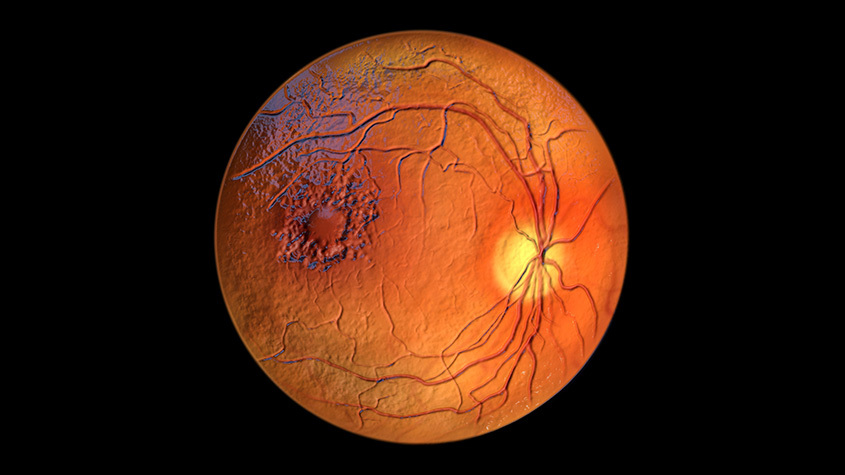
The retina is the light-sensitive tissue at the back of the eye that sends visual information to the brain. When disease or damage affects the retina, it can interfere with central vision, peripheral vision, color perception, and the ability to see fine details. At Ellis Eye Optometry, we provide retinal disease evaluations in Lancaster, CA, to help identify concerns and protect our patients’ long-term eye health.
Common Types of Retinal Disease
Retinal disease can develop due to aging, diabetes, vascular conditions, eye injuries, inflammation, or inherited factors. Some conditions progress gradually without noticeable symptoms, while others cause sudden vision changes.
Common retinal conditions include:
Age-related macular degeneration
Diabetic retinopathy and diabetic macular edema
Retinal tears and retinal detachment
Retinal vein or artery occlusions
Macular holes and macular puckers
Inherited retinal disorders
Diabetic retinopathy may not cause symptoms during its early stages, which makes routine dilated eye exams especially important for patients with diabetes. Age-related macular degeneration can also progress before significant vision changes are noticed.
Symptoms That May Require an Evaluation
Retinal disease symptoms vary depending on the condition and the area of the retina affected. Schedule an eye examination if you notice blurry or distorted vision, difficulty seeing in low light, faded colors, blank spots, or changes in your central or side vision.
A sudden increase in floaters, flashes of light, or a dark curtain or shadow across your vision may indicate a retinal tear or detachment. Retinal detachment is an emergency that requires immediate attention to reduce the risk of permanent vision loss.
Retinal Disease Evaluations
A retinal disease evaluation begins with a detailed review of your symptoms, medical history, family history, medications, and personal risk factors. Our optometrists will assess your vision and carefully examine the structures at the back of the eye.
We use advanced diagnostic technology, including pupil dilation and detailed retinal imaging, to obtain a clearer view of the retina, macula, optic nerve, and surrounding blood vessels. These tools can help detect subtle abnormalities, establish a baseline for your eye health, document existing conditions, and monitor changes over time. The results allow us to develop a personalized care plan and determine whether additional evaluation or treatment from a retinal specialist is needed.
Ongoing Monitoring and Referrals
The appropriate care plan depends on the type and severity of the retinal condition. Some patients may need regular monitoring, while others require prompt treatment from a retinal specialist. When specialized care is necessary, we can coordinate referrals and help monitor your eye health as part of an ongoing care plan.
Patients with diabetes, high blood pressure, high cholesterol, significant nearsightedness, previous eye injuries, or a family history of retinal disease may need more frequent examinations. Consistent monitoring allows changes to be identified and addressed as early as possible.
Contact Ellis Eye Optometry at (661) 218-2300 to schedule an evaluation for retinal disease in Lancaster, CA. Visit us at 1306 West Ave J, Suite B, Lancaster, CA 93534.


Operating Hours
- Monday 9:00am - 6:00pm
- Tuesday 10:00am - 7:00pm
- Wednesday 9:00am - 6:00pm
- Thursday 10:00am - 7:00pm
- Friday 9:00am - 6:00pm
- Saturday Closed
- Sunday Closed
© 2026 Ellis Eye Optometry. All rights Reserved. Accessibility Statement - Privacy Policy - Sitemap
Powered by:
