
What Is the Treatment for Age-Related Macular Degeneration?
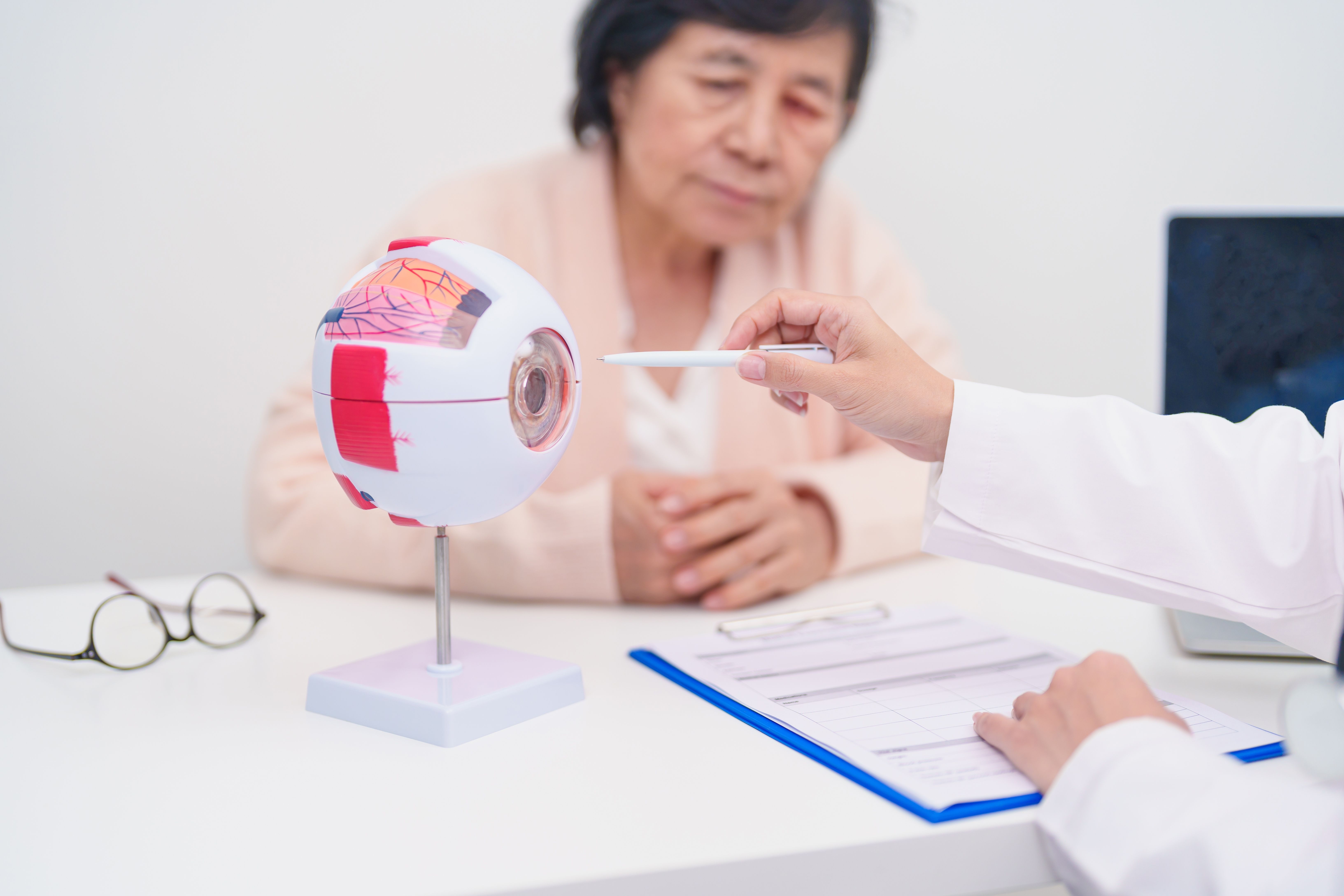
Age-related macular degeneration (AMD) is one of the leading causes of vision loss in adults over the age of 50. While AMD does not cause complete blindness, it can significantly impact central vision, making everyday tasks like reading, driving, and recognizing faces more difficult. Understanding what AMD is, how it’s detected, and what treatment options are available can help protect your vision and preserve your quality of life.
What Is Age-Related Macular Degeneration (AMD)?
AMD is a progressive eye condition that affects the macula - the central part of the retina responsible for sharp, detailed vision. As the macula becomes damaged over time, central vision gradually worsens, while peripheral (side) vision typically remains intact.
There are two main types of AMD:
• Dry AMD: The more common form, caused by thinning of the macula and the buildup of drusen (small yellow deposits under the retina). Vision loss is usually slow and gradual.
• Wet AMD: A less common but more severe form, caused by abnormal blood vessel growth under the retina that can leak fluid or blood, leading to rapid vision changes.
Why Early Detection Is So Important
One of the challenges with AMD is that it often develops without noticeable symptoms in its early stages. Many patients do not realize they have AMD until central vision changes become more apparent - and by then, the condition may be more advanced.
This is why routine medical eye exams are critical, especially as we age. These eye exams allow your optometrist in Palmdale to detect early signs of AMD before symptoms appear, using advanced imaging and retinal evaluation. Early detection allows for closer monitoring, earlier intervention, and better long-term visual outcomes.
What Are the Treatment Options for AMD?
While there is currently no cure for AMD, there are effective treatments and management strategies that can slow progression and help preserve vision.
Treatment for Dry AMD
• Nutritional supplements: For certain patients, specialized vitamin formulations (based on the AREDS2 study) may help slow progression.
• Lifestyle changes: Maintaining a healthy diet rich in leafy greens, managing cardiovascular health, avoiding smoking, and protecting eyes from UV light can all support retinal health.
• Regular monitoring: Ongoing eye exams help track changes and identify progression to wet AMD early.
Treatment for Wet AMD
• Anti-VEGF injections: These medications are injected into the eye to stop abnormal blood vessel growth and reduce fluid leakage. They are currently the most effective treatment for wet AMD.
• Close follow-up care: Wet AMD requires ongoing monitoring and repeat treatments to maintain vision stability.
Your optometrist plays a key role in diagnosing AMD, monitoring changes, and coordinating care with retinal specialists when advanced treatment is needed.
Stay Ahead of AMD with Ellis Eye Optometry
Age-related macular degeneration is a common condition, but early detection and timely treatment can make a significant difference in preserving vision. Routine eye exams are essential, especially since AMD can be detected before symptoms begin. With today’s treatment options and ongoing eye care, patients with AMD have more hope than ever for maintaining their vision and quality of life.
If you are over 50 or have a family history of macular degeneration, schedule your next eye exam at Ellis Eye Optometry to protect your long-term eye health. Visit our office in Lancaster, California, or call (661) 948-6310 to book an appointment today.



Operating Hours
- Monday 9:00am - 6:00pm
- Tuesday 10:00am - 7:00pm
- Wednesday 9:00am - 6:00pm
- Thursday 10:00am - 7:00pm
- Friday 9:00am - 6:00pm
- Saturday Closed
- Sunday Closed
© 2026 Ellis Eye Optometry. All rights Reserved. Accessibility Statement - Privacy Policy - Sitemap
Powered by:
