
Signs You May Need Glasses or an Updated Prescription
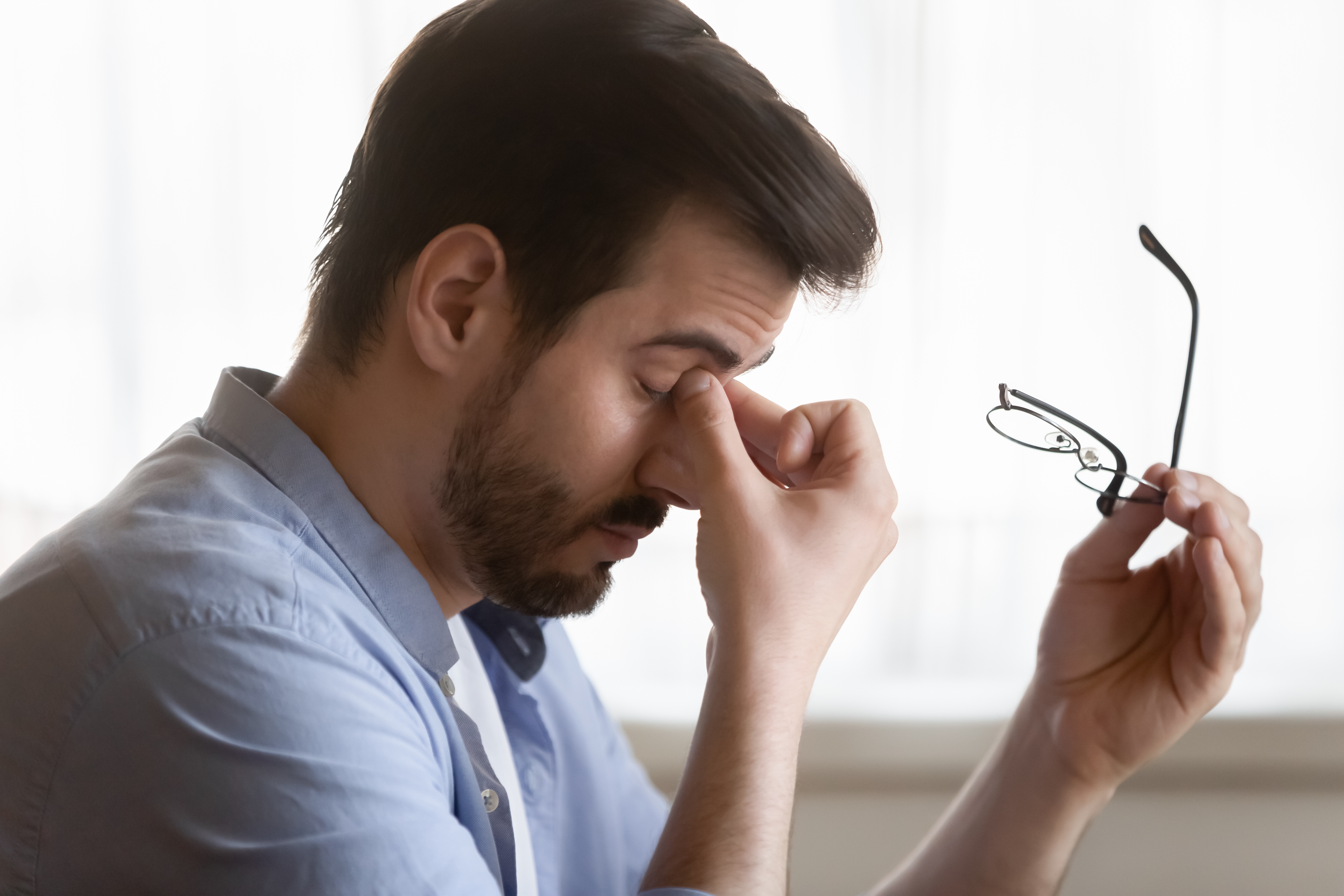
Vision changes often happen gradually, which means you may not notice them right away. You might adjust by holding your phone farther away, sitting closer to a screen, or using brighter lighting without realizing your eyes are working harder than they should. For patients in Lancaster, regular eye exams are one of the best ways to know whether you need glasses or an updated prescription. At Ellis Eye Optometry, we help patients understand what their symptoms may mean and whether new glasses, contact lenses, or a prescription adjustment could improve their daily comfort. Blurry vision is one of the most common signs that you may need glasses. You may notice that road signs look less sharp, text on a screen seems fuzzy, or small print is harder to read than it used to be. Some people only notice the blur at certain distances, while others experience it throughout the day. If your current glasses are no longer providing crisp vision, your prescription may have changed. Even a small update can make reading, driving, working, and everyday tasks feel easier. Squinting can temporarily sharpen your focus, but it is often a sign that your eyes are struggling to see clearly. If you catch yourself squinting while watching TV, reading signs, using your phone, or working at a computer, it may be time for an eye exam in Lancaster. Eye strain can also show up as tired, heavy, or uncomfortable eyes. This is common when your prescription is outdated or when you need glasses for specific tasks, such as computer work or reading. Headaches that happen after visual tasks may point to an uncorrected vision problem. When your eyes work harder to focus, the muscles around the eyes can become fatigued. This may lead to discomfort around the forehead, temples, or behind the eyes. Common vision-related signs include: If these symptoms happen regularly, an updated prescription may help reduce unnecessary strain. Night vision changes can make driving more stressful, especially on Lancaster roads with glare from headlights, streetlights, or reflective signs. If you notice halos, glare, reduced sharpness, or difficulty judging distance at night, your glasses prescription may need to be checked. Night driving concerns can also be linked to other eye health issues, which is why a comprehensive eye exam is important. During your visit, we can evaluate both your vision correction and the overall health of your eyes. Sometimes the issue is not only your prescription. Your frames, lens design, or lens coatings may no longer match your visual needs. Glasses that slide, sit unevenly, or feel uncomfortable can affect how well you see through your lenses. This is especially true for progressive lenses, strong prescriptions, or glasses used for long hours of screen time. If your glasses feel off, an exam and optical evaluation can help determine whether you need an updated prescription, better lens options, or a frame adjustment. Children may not always know how to explain blurry vision. Parents in Lancaster may notice changes such as sitting close to the TV, avoiding reading, losing place while reading, frequent eye rubbing, or trouble seeing the board at school. Because children’s vision can change as they grow, routine eye exams are important even when they do not complain about symptoms. Clear vision supports learning, comfort, and confidence in school and daily activities. If you are noticing changes in clarity, comfort, focus, or night vision, it is a good idea to schedule an eye exam instead of waiting for symptoms to get worse. A comprehensive exam can determine whether you need glasses, an updated prescription, contact lenses, or additional care for an eye health concern. To schedule an eye exam and find out whether you need glasses or an updated prescription, contact Ellis Eye Optometry in Lancaster, CA by calling (661) 218-2300.Subtle Vision Changes Can Be Easy To Miss
Blurry Vision At Near Or Far Distances
Frequent Squinting Or Eye Strain
Headaches After Reading Or Screen Use
Trouble Seeing Clearly At Night
Your Current Glasses Feel Less Comfortable
Children And Teens May Show Different Signs
When To Schedule An Eye Exam



Operating Hours
- Monday 9:00am - 6:00pm
- Tuesday 10:00am - 7:00pm
- Wednesday 9:00am - 6:00pm
- Thursday 10:00am - 7:00pm
- Friday 9:00am - 6:00pm
- Saturday Closed
- Sunday Closed
© 2026 Ellis Eye Optometry. All rights Reserved. Accessibility Statement - Privacy Policy - Sitemap
Powered by:
