
Diabetic Eye Exams in Lancaster and Palmdale: Why They Matter
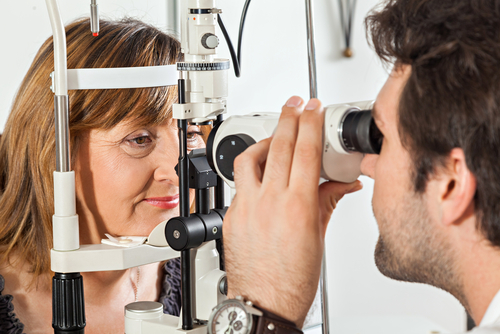
Diabetes can affect more than your blood sugar. It can also impact your eyesight, sometimes without noticeable symptoms. At Ellis Eye Optometry, we encourage patients with diabetes in Lancaster and Palmdale, CA, to prioritize regular diabetic eye exams. Early detection and ongoing monitoring can help protect your vision and reduce the risk of serious complications.
How Does Diabetes Affect Your Eyes?
High blood sugar can damage the small blood vessels in the retina, the light-sensitive tissue at the back of your eye. Over time, this damage can lead to diabetic retinopathy, a condition that may cause vision loss if left untreated.
Diabetes also increases the risk of other eye conditions, including diabetic macular edema, cataracts, and glaucoma. These conditions can develop gradually, making regular diabetic eye exams essential even when your vision seems normal.
At our Lancaster optometry office, we focus on identifying potential problems early and helping patients understand their eye health.
Why Are Annual Diabetic Eye Exams Important?
Diabetic eye disease often develops without early warning signs. You may have clear vision while changes are occurring inside your eyes. A comprehensive diabetic eye exam allows us to evaluate your eye health and look for signs of diabetes-related damage.
Annual dilated eye exams are generally recommended for patients with diabetes, although some may need more frequent monitoring based on their condition and medical history.
Regular exams help us monitor changes over time and determine when additional care or a referral to a specialist may be necessary.
What Happens During a Diabetic Eye Exam?
A diabetic eye exam involves more than checking your prescription. We evaluate your overall eye health, paying particular attention to the retina and other structures that diabetes can affect.
Depending on your needs, your examination may include:
Visual acuity testing: Checking how clearly you see at different distances.
Retinal examination: Looking for signs of damaged or leaking blood vessels.
Retinal imaging: Capturing detailed images to help monitor changes in your eye health.
Eye pressure measurement: Evaluating an important risk factor associated with glaucoma.
Dilated eye examination: Examining the retina and optic nerve for signs of disease.
Our goal is to provide thorough, personalized eye care while helping you understand your results and any recommended follow-up care.
Warning Signs of Diabetic Eye Disease
Although diabetic eye disease may not cause symptoms initially, certain changes can indicate a developing problem.
Blurred or fluctuating vision, dark spots, difficulty seeing at night, and changes in color perception can sometimes be associated with diabetes-related eye complications.
If you experience sudden vision loss, new flashes, a sudden increase in floaters, or a dark curtain across your vision, seek immediate medical attention.
For patients in Lancaster and Palmdale living with diabetes, recognizing these symptoms is important, but routine examinations remain the most reliable way to detect problems before vision becomes affected.
Protecting Your Vision With Diabetes
Managing blood sugar, blood pressure, and cholesterol can help reduce your risk of diabetic eye complications. Following your healthcare provider's recommendations and maintaining regular eye examinations are also important.
At Ellis Eye Optometry, we work with our patients to monitor their eye health and provide guidance based on their individual needs.
Schedule your diabetic eye exam at Ellis Eye Optometry, proudly serving Lancaster and Palmdale, CA. Visit us at 1306 West Ave J, Suite B, Lancaster, CA 93534, or call (661) 218-2300 to schedule an appointment and take an important step toward protecting your vision.



Operating Hours
- Monday 9:00am - 6:00pm
- Tuesday 10:00am - 7:00pm
- Wednesday 9:00am - 6:00pm
- Thursday 10:00am - 7:00pm
- Friday 9:00am - 6:00pm
- Saturday Closed
- Sunday Closed
© 2026 Ellis Eye Optometry. All rights Reserved. Accessibility Statement - Privacy Policy - Sitemap
Powered by:
