
Continuing Care at Your Local Optometrist After Surgery
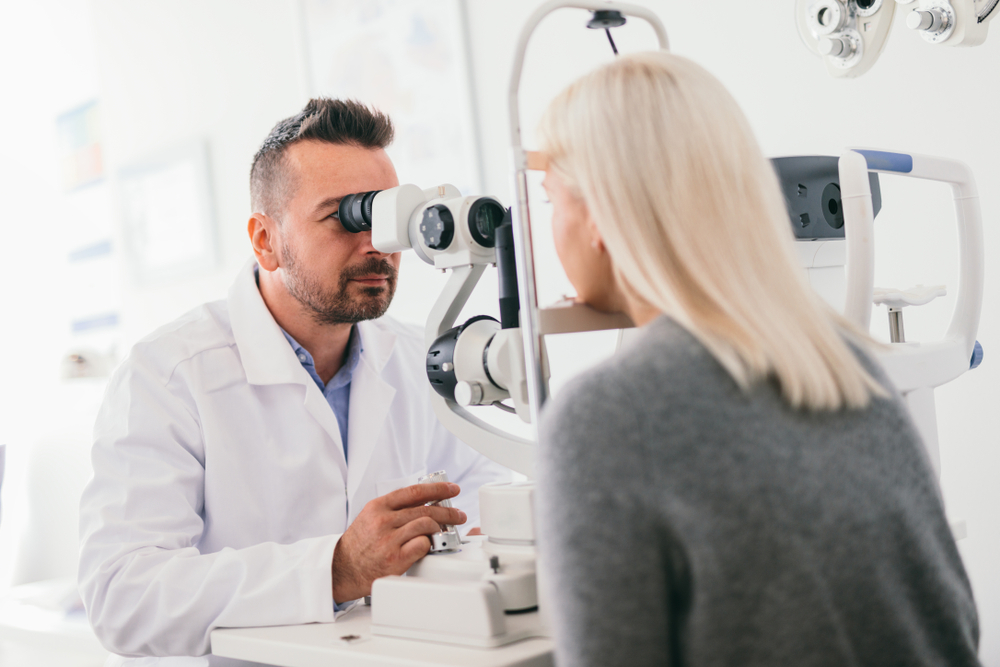
Undergoing eye surgery is a major step toward protecting and improving your vision. While the procedure itself is critical, what happens after surgery is just as important. Ongoing care with your local optometrist plays a key role in ensuring proper healing, monitoring long-term eye health, and maintaining the best possible visual outcomes. At Ellis Eye Optometry, we work closely with surgical specialists to provide seamless post-operative and ongoing eye care, allowing patients to recover comfortably and confidently close to home.
Why Post-Surgical Eye Care Matters
Eye surgery doesn’t end when you leave the operating room. Your eyes continue to heal for weeks or even months, and subtle changes during recovery can impact your results if they’re not addressed early. Follow-up care allows your optometrist to:
Monitor healing and visual stability
Detect inflammation, infection, or pressure changes early
Adjust medications as needed
Ensure your vision correction remains optimized
Address dryness, glare, or discomfort during recovery
Having these visits with a local optometrist makes ongoing care more convenient while still maintaining communication with your surgeon.
Personalized LASIK Care After Surgery
LASIK co-management is a collaborative approach where your optometrist and refractive surgeon work together throughout the LASIK process. Your optometrist often serves as the primary point of contact before and after surgery.
Following surgery, your optometrist monitors your recovery through scheduled follow-up visits, checking for:
Proper corneal healing
Visual clarity and stability
Dry eye symptoms
Night vision issues such as halos or glare
If any concerns arise, your optometrist communicates directly with your surgeon to ensure prompt adjustments or additional care. This team-based approach provides continuity while keeping your recovery close to home.
Eye Disease Co-Management After Surgical Treatment
For patients with chronic or progressive eye conditions, surgery may be only one part of a long-term care plan. Eye disease co-management allows your optometrist to work alongside ophthalmologists and specialists to manage conditions over time.
After surgical or interventional treatment, your optometrist continues regular monitoring, tracks disease progression, manages medications, and watches for changes that may require further specialist care. This ongoing oversight helps preserve vision and maintain eye health long after surgery.
The Benefits of Seeing a Local Optometrist After Surgery
Choosing a local optometrist for post-surgical care offers several advantages:
Convenience: Fewer long drives and easier scheduling for follow-up visits
Consistency: One provider who understands your visual history and lifestyle
Personalized attention: Time to address concerns, symptoms, and questions
Early intervention: Faster detection of changes or complications
Your optometrist acts as your advocate, ensuring nothing is overlooked as your eyes heal and adapt.
Long-Term Vision Care Beyond Recovery
Even after your eyes have fully healed, ongoing eye exams remain essential. Vision can change over time due to aging, health conditions, or environmental factors. Regular visits help maintain surgical results and protect long-term eye health. We continue to monitor vision changes, manage eye comfort, and recommend updates to eyewear or treatments as needed.
Stay on Track With Your Vision Recovery
Eye surgery is an important milestone, but lasting results depend on proper follow-up and ongoing care. Through LASIK co-management and eye disease co-management, your local optometrist plays a vital role in monitoring healing, protecting eye health, and supporting long-term vision success.
Contact Ellis Eye Optometry to schedule a post-surgical or co-management consultation and continue your eye care with a trusted local optometrist. Visit our office in Lancaster, California, or call (661) 948-6310 to book an appointment today.



Operating Hours
- Monday 9:00am - 6:00pm
- Tuesday 10:00am - 7:00pm
- Wednesday 9:00am - 6:00pm
- Thursday 10:00am - 7:00pm
- Friday 9:00am - 6:00pm
- Saturday Closed
- Sunday Closed
© 2026 Ellis Eye Optometry. All rights Reserved. Accessibility Statement - Privacy Policy - Sitemap
Powered by:
